
Why Choose a Repair Shop With Loaner Cars?
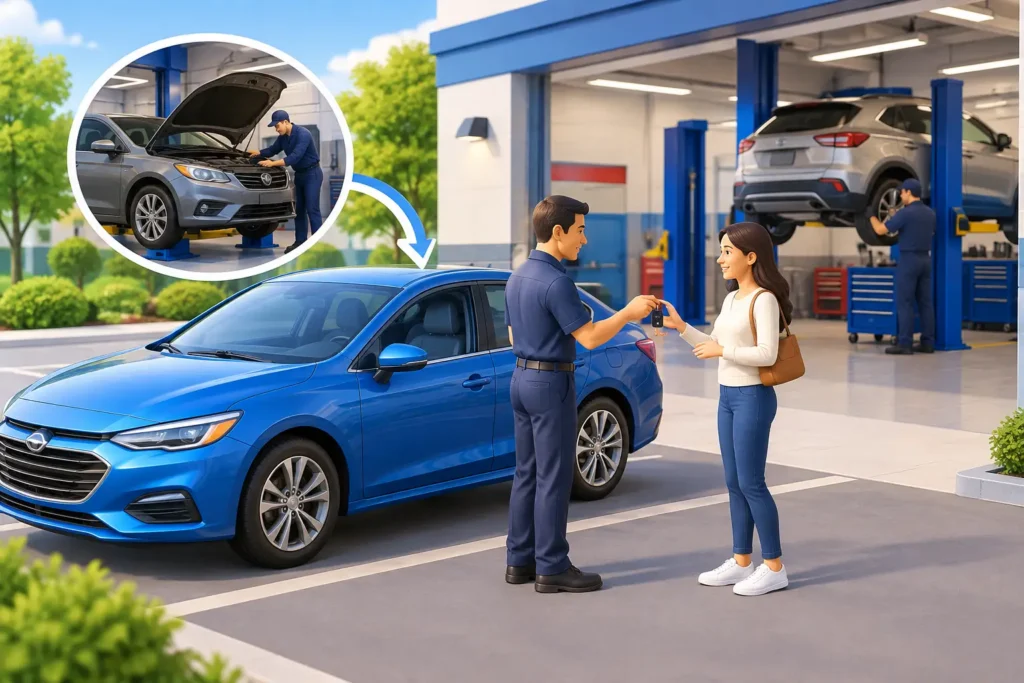
A warning light, cooling-system leak, or brake concern should not force you to rearrange a full workweek. Choosing a repair shop with loaner cars gives Tampa luxury-vehicle owners a practical way to keep life moving while their Porsche, BMW, MINI Cooper, or Rolls-Royce receives the attention it needs.
That convenience matters most when the repair is not a quick oil service. Accurate diagnostics, parts ordering, module programming, alignment work, or a drivetrain repair can take time for good reasons. The right shop will not rush a complex vehicle out the door just to clear a bay. It will explain the findings, set a realistic timeline, and provide a loaner vehicle when available so you are not left figuring out transportation after the fact.
A Loaner Car Is More Than a Nice Extra
For many owners, a vehicle is part of the daily operating schedule. It gets you to work, school pickup, client meetings, the airport, and weekend commitments. A rental counter, rideshare receipts, or borrowing a car from a family member can turn necessary maintenance into a disruption.
A complimentary loaner car changes that equation. You can authorize the work based on what your vehicle needs, rather than what you think can be completed before your calendar falls apart. That is especially valuable for inspections that uncover worn suspension components, coolant leaks, oil leaks, electrical faults, or tires that need replacement and alignment.
It also gives the technician room to perform the repair correctly. European luxury vehicles often require a careful diagnostic process, test drives, software procedures, and verification after the repair. A loaner helps remove the pressure to cut that process short.
When a Repair Shop With Loaner Cars Makes the Most Sense
Not every appointment requires alternate transportation. A routine service appointment may be completed while you wait or within a few hours, depending on the vehicle and the work being performed. But a loaner becomes particularly helpful when the issue could grow beyond the original appointment.
Consider a BMW with an intermittent electrical warning. The initial concern may appear simple, but proper diagnosis could involve scanning multiple control modules, checking wiring or network communication, testing the battery and charging system, and verifying the repair after clearing faults. The same is true when a Porsche has a cooling issue, a MINI Cooper needs timing-related diagnosis, or a Rolls-Royce requires a more involved electrical or suspension evaluation.
Loaners are also helpful for planned work that requires time in the shop. Brake and rotor service, suspension replacement, tire installation and alignment, transmission or drivetrain work, and module programming are all jobs where quality should take priority over a rushed turnaround. The goal is not to keep your vehicle longer than necessary. The goal is to return it when the work has been completed, checked, and clearly communicated.
The Quality of the Repair Still Comes First
Convenience should never be used to distract from the more important question: Can the shop properly service your vehicle? A loaner car is valuable, but it does not replace brand-specific training, correct diagnostic equipment, quality parts, and a disciplined repair process.
Porsche, BMW, MINI, and Rolls-Royce vehicles are not generic transportation. Their systems are interconnected, software-heavy, and often sensitive to the correct repair procedure. An incorrect diagnosis can lead to repeat visits, unnecessary parts, and more downtime than the original issue would have caused.
Look for a specialist that can explain what it found in plain language. You should understand the concern, the recommended repair, the urgency, and the estimated cost before work moves forward. A professional estimate does not mean every repair will be inexpensive. It means you are not being asked to approve vague work without a clear reason.
For BMW plug-in hybrid and other high-voltage-related concerns, specialized capability is even more important. These vehicles require proper safety procedures, factory-level information, and technicians who understand where conventional mechanical diagnosis ends and high-voltage system diagnosis begins. A loaner vehicle is useful during that process, but qualified service is what protects the vehicle and its owner.
Questions to Ask Before You Schedule
Loaner vehicles are usually appointment-based and subject to availability. Asking a few direct questions when you schedule can prevent surprises. Confirm whether a loaner is available for your service date, whether there are license and insurance requirements, and whether the shop expects your repair to require more than one day.
It is also reasonable to ask how the shop communicates during the repair. Text updates can make a real difference when the original diagnosis changes or a parts delay affects timing. You should not have to repeatedly call for basic information about your vehicle.
Ask whether the estimate includes diagnostic time and whether the shop will contact you for approval if additional work is found. A thorough courtesy inspection can identify concerns that deserve attention, but it should not become pressure to approve every recommendation immediately. A good advisor helps you separate safety and reliability needs from items that can be planned for later.
Finally, ask about parts. Genuine OEM parts or high-quality OEM-equivalent components are often the sensible choice for these vehicles, especially in systems where fit, calibration, or durability matter. There can be exceptions depending on the repair and your goals for the vehicle. An older enthusiast BMW may call for a different discussion than a newer Porsche under factory coverage. The important thing is that the recommendation is explained, not assumed.
Protecting Your Time Without Sacrificing Service
A strong independent specialist offers a different experience from a crowded dealership service lane. You want dealership-caliber knowledge without the impersonal process, unclear handoffs, and inflated overhead that can come with it. That means direct communication, transparent recommendations, and a team that respects both the vehicle and your schedule.
At Fox Motors Bimmer Specialists, complimentary loaner vehicles are one part of a customer-focused service experience for Tampa Bay owners. The shop also provides after-hours key drop-off, text communication, detailed estimates, courtesy inspections, and financing options when appropriate. Those details are not a substitute for technical skill. They support it by making proper maintenance and repair easier to manage.
There is a practical advantage to planning ahead. If your vehicle is due for maintenance, has started making a new noise, or has an intermittent warning light, schedule before the situation becomes urgent. A planned appointment gives the shop a better chance to reserve the time, technician, parts, and loaner support your vehicle may need.
Keep the Repair From Taking Over Your Week
The best repair experience is not just about getting keys back quickly. It is about receiving accurate work, clear answers, and a vehicle that feels right when you drive away. A shop that provides loaner cars recognizes that your time has value while still allowing the repair process to be done with care.
Before your next service visit, describe the symptoms clearly, mention any warning messages, and ask about loaner availability when you book. That one conversation can keep a necessary repair from becoming a major interruption to your week.