
BMW Mechanic Tampa Owners Trust for Complex Repairs
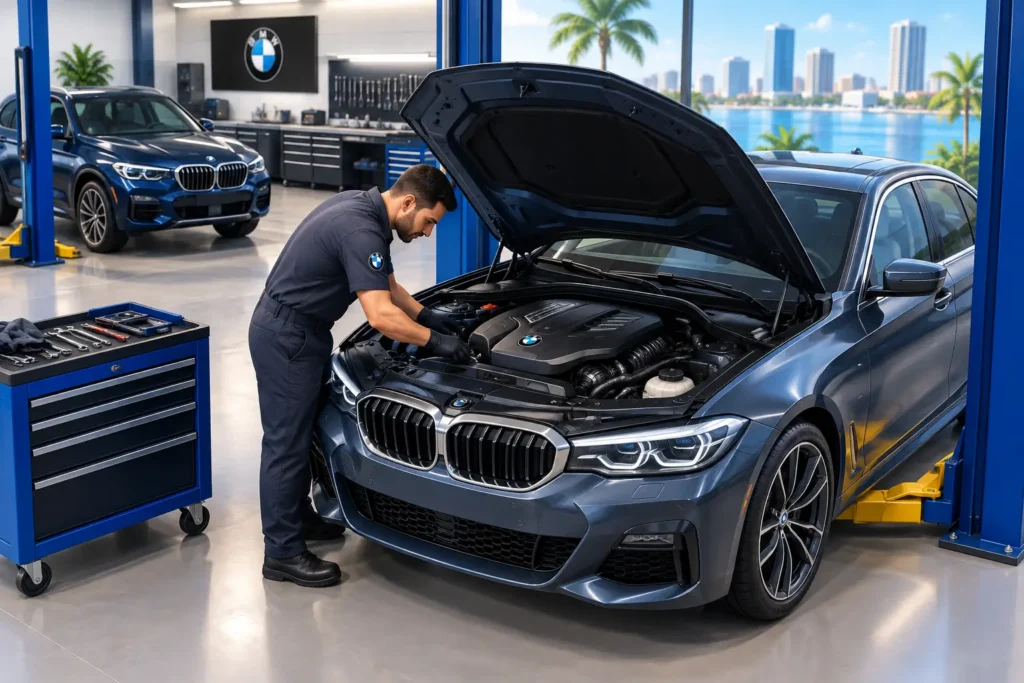
A BMW can feel perfectly normal on the way to work, then flash a drivetrain malfunction message, show a check engine light, or develop a vibration that was not there last week. That is when choosing the right BMW mechanic Tampa owners rely on matters most. These are sophisticated vehicles with tightly integrated mechanical, electrical, and software systems. A quick guess or a generic repair approach can turn one issue into repeat visits, unnecessary parts, and more time without your car.
The goal is not simply to clear a warning light or replace what looks worn. It is to identify the cause, explain the repair in plain language, use quality parts, and return your BMW to the road performing as it should.
Why BMW Service Needs Brand-Specific Experience
BMW engineering rewards proper maintenance and precise diagnostics. The same vehicle that delivers responsive steering, strong performance, and a refined ride also relies on multiple control modules, sensors, adaptive systems, and manufacturer-specific service procedures. An issue in one area can create symptoms somewhere else.
For example, an engine misfire may involve ignition components, fuel delivery, air leaks, carbon buildup, injector performance, or an electrical fault. A suspension complaint might be a worn bushing, but it could also be tire wear, an alignment issue, a failed adaptive damper, or an electronic chassis-control concern. Replacing the most obvious part without testing the system is not a repair strategy.
That is why specialized diagnostic equipment and experience with BMW fault patterns make a real difference. A qualified shop should be able to read BMW-specific fault information, verify a concern through inspection and testing, and determine whether programming, calibration, or a mechanical repair is required. This is especially relevant on newer models, where battery registration, module programming, and electronic service resets are part of doing the job correctly.
What a BMW Mechanic Tampa Shop Should Diagnose First
A warning message provides a starting point, not a final answer. Before approving a major repair, owners should expect a shop to look beyond the dashboard alert and connect symptoms, test results, service history, and the vehicle's condition.
Fault Codes Need Context
Diagnostic trouble codes are valuable, but they do not automatically identify a failed component. A code may point to a circuit, a performance range, or a communication problem. The underlying cause could be a connector, wiring issue, weak battery voltage, vacuum leak, software concern, or the part named in the code.
A thoughtful diagnostic process prevents the familiar frustration of replacing a component only to have the same warning return days later. It also helps control costs. Accurate testing takes time, but it is usually less expensive than installing parts based on assumptions.
Electrical Health Is Part of the Repair
Modern BMWs are sensitive to voltage and communication issues. A tired battery, charging-system problem, or poor connection can create a surprising number of warnings. If a battery needs replacement, it should be matched appropriately and registered to the vehicle when required so the charging system can manage it correctly.
Electrical diagnosis also matters for comfort and convenience features. Intermittent window operation, camera faults, parking-sensor problems, lighting warnings, infotainment concerns, and module communication errors may require more than a visual inspection. The right tools help technicians see what the vehicle's modules are reporting and test the system methodically.
Hybrid and High-Voltage Systems Require Proper Training
BMW plug-in hybrids add another layer of complexity. They combine a gasoline engine with high-voltage components, charging systems, battery-management hardware, and dedicated safety procedures. Not every repair facility is equipped to evaluate these systems safely or accurately.
If a hybrid warning appears, charging becomes inconsistent, or the vehicle changes how it delivers power, choose a shop prepared for BMW high-voltage-related diagnostics and repairs. The right process protects the vehicle, the technician, and the owner from costly guesswork.
Maintenance Is the Best Way to Protect Performance
BMW maintenance should be based on the vehicle's condition, mileage, age, driving habits, and factory recommendations. Tampa heat, stop-and-go traffic, short trips, and heavy rain can all affect how fluids, batteries, tires, cooling systems, and rubber components age.
Oil service is a good example. Waiting for an indicator may be appropriate for some drivers, while others who make frequent short trips or drive in intense heat may benefit from more attentive intervals. The answer depends on the model, engine, oil condition, and how the car is used. A specialist should explain the recommendation rather than offer a one-size-fits-all schedule.
Brake fluid, coolant, transmission and differential service, spark plugs, filters, belts, and tires all deserve attention before they become breakdowns. On older enthusiast models, proactive inspections can catch oil leaks, cooling-system wear, suspension play, and cracked hoses while repairs are still more manageable.
A quality courtesy inspection is useful because it creates a clear picture of what needs attention now, what can be planned for later, and what is simply worth monitoring. That gives owners control over the work instead of forcing rushed decisions after a failure.
Repairs That Affect Safety, Ride, and Resale Value
Some BMW repairs have an immediate effect on how the car feels. Brake service, tires, suspension work, steering repairs, and wheel alignments all influence safety and driving confidence. They also affect one another.
Installing new tires without addressing worn suspension components or alignment angles can lead to uneven wear. Replacing a control arm without a proper alignment can leave the steering wheel off-center and compromise handling. Brake vibration may come from rotor condition, but wheel balance, suspension wear, and tire condition should not be ignored if the symptoms do not match a straightforward brake repair.
Cooling-system service is another area where careful work pays off. Water pumps, thermostats, hoses, expansion tanks, radiators, and related components must be evaluated as a system. Overheating can cause serious engine damage, so a coolant loss warning, rising temperature, sweet smell, or visible leak should be checked promptly.
For drivetrain concerns, early attention is equally valuable. Delayed shifts, transfer-case warnings, differential noise, vibrations under acceleration, or a clunk when changing direction may indicate an issue that needs diagnosis before more expensive damage develops.
Choosing the Right BMW Repair Experience
The best independent BMW service experience combines technical capability with clear communication. You should know what the shop found, why it recommends the repair, what the estimate includes, and whether the work is urgent. There is a difference between a necessary repair and a maintenance item that can reasonably be planned for another visit.
Ask whether the shop uses OEM or OEM-quality parts appropriate for the repair. Ask how diagnostic time is handled and whether the estimate includes programming or calibration when those steps are needed. For complex concerns, a shop should be comfortable explaining the testing path before promising an answer.
Convenience matters, too. Service should not require rearranging your entire week. Appointment scheduling, text updates, after-hours key drop-off, loaner vehicles when available, and financing options can make proper maintenance easier to manage. At Fox Motors Bimmer Specialists, the focus is dealership-caliber BMW knowledge with the personal communication and efficient service local owners expect.
Keep Small Changes From Becoming Major Repairs
Your BMW often gives early signals before a larger issue develops. Pay attention to a new vibration, longer-than-normal cranking, a change in steering feel, fluid spots where you park, unusual fan noise, reduced power, or a warning that appears intermittently. Do not assume a message that disappears has resolved itself.
Keep records of service, report symptoms as specifically as possible, and schedule an inspection while the concern is still active if you can. A clear description of when the issue occurs - cold start, highway speed, hard braking, rain, or after charging - gives the technician useful direction. That small bit of information can save diagnostic time and help keep your BMW dependable for the miles ahead.